What do you owe a life that keeps being handed back to you?
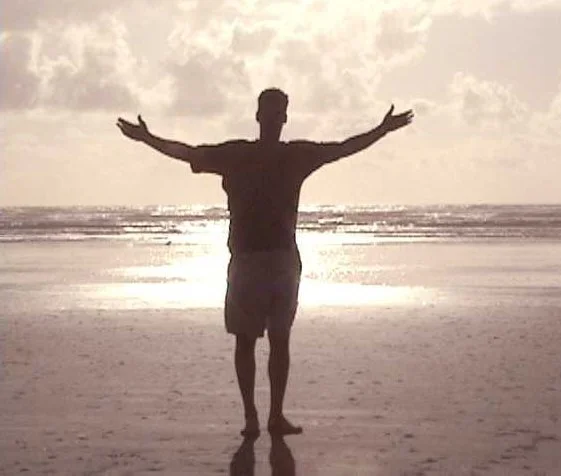
He was five years old when he drowned.
A stranger pulled him from the bottom of a campground pool before he understood what had happened. He was fifteen when a drunk driver sent his head into a windshield on a January night in northern Minnesota — and a woman appeared from nowhere, drove him to the emergency room, and vanished before anyone could identify her. He was twenty-one when a second drunk driver destroyed his car, his health, his hockey career, and took nearly everything else — and his brother showed up unannounced, offered his hand, and refused to leave. He was forty-six when sepsis nearly killed him during his first mayoral campaign.
And then, at forty-nine, came two simultaneous cancer diagnoses — multiple myeloma and kidney cancer, both threatening the same failing organ system — and the community he had spent more than a decade serving rallied around him in ways he had no language for until he wrote this book.
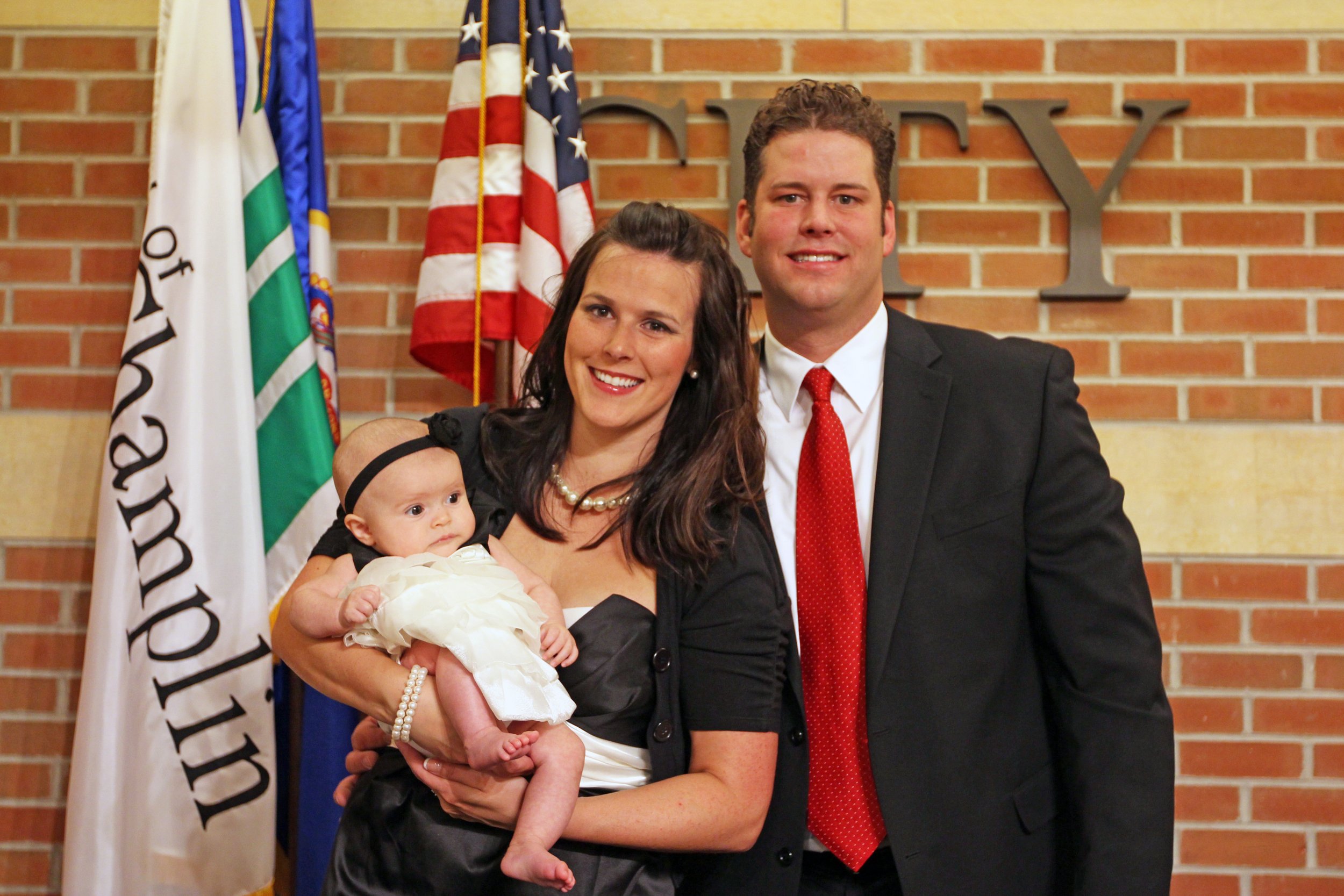
Ryan Karasek has spent five decades being held up by other people at the exact moments he should have disappeared. Represent Hope: When the Light Shifts is his reckoning with what that means.
This is not primarily a cancer memoir. It is a memoir about interdependence — about the uncanny, lifelong pattern of being saved by strangers and sustained by love, and the moral weight that accumulates when a life keeps being handed back to you. It is about what survival costs, what it demands, and what it ultimately asks you to become.
The question at the center of this book is not whether Ryan would survive. It is what he owes the world when survival is no longer in doubt.
Before the diagnosis there was a life fully lived. A family farm in northern Minnesota where his grandfather worked from before dawn, and where his father taught him a line he would carry for the rest of his life: the reward of a job well done is to have done it. Hockey rinks where he learned that the goalie's crease — the one position in sport where you cannot hide and cannot drift — was the first place he understood pressure and responsibility simultaneously. Railroad summers swinging a spike maul until his hands stopped feeling like hands. A patented invention born of frustration in a home workshop and ultimately used in winemaking and homebrewing operations on almost every continent, and adopted along the way by universities, hospitals, and large-scale industrial clients and international water projects in the Middle East. Thirteen years of public service — as a planning commissioner, councilmember, then mayor — during which he stood in the doorway of every single home in a city of nearly 25,000 residents, many of them more than once across three campaigns, because he believed every door represented a person and every person deserved to be heard. And a dahlia garden that became, quietly and without announcement, a practice of carrying beauty into the world one person at a time.
By the time cancer arrives in Chapter 26, the reader understands exactly who this man is and what he stands to lose. The medical chapters do not flinch. The bone marrow biopsy without sedation. The night he overheard a hallway conversation suggesting he might die before anyone had told him. The winter solstice night in Rochester gripping the bed rails until dawn. The stem cell transplant — his own cells drawn out, frozen, and returned to find their way back to his bones, back home, through a process so precise and so improbable it stopped feeling like medicine and started feeling like something else entirely.
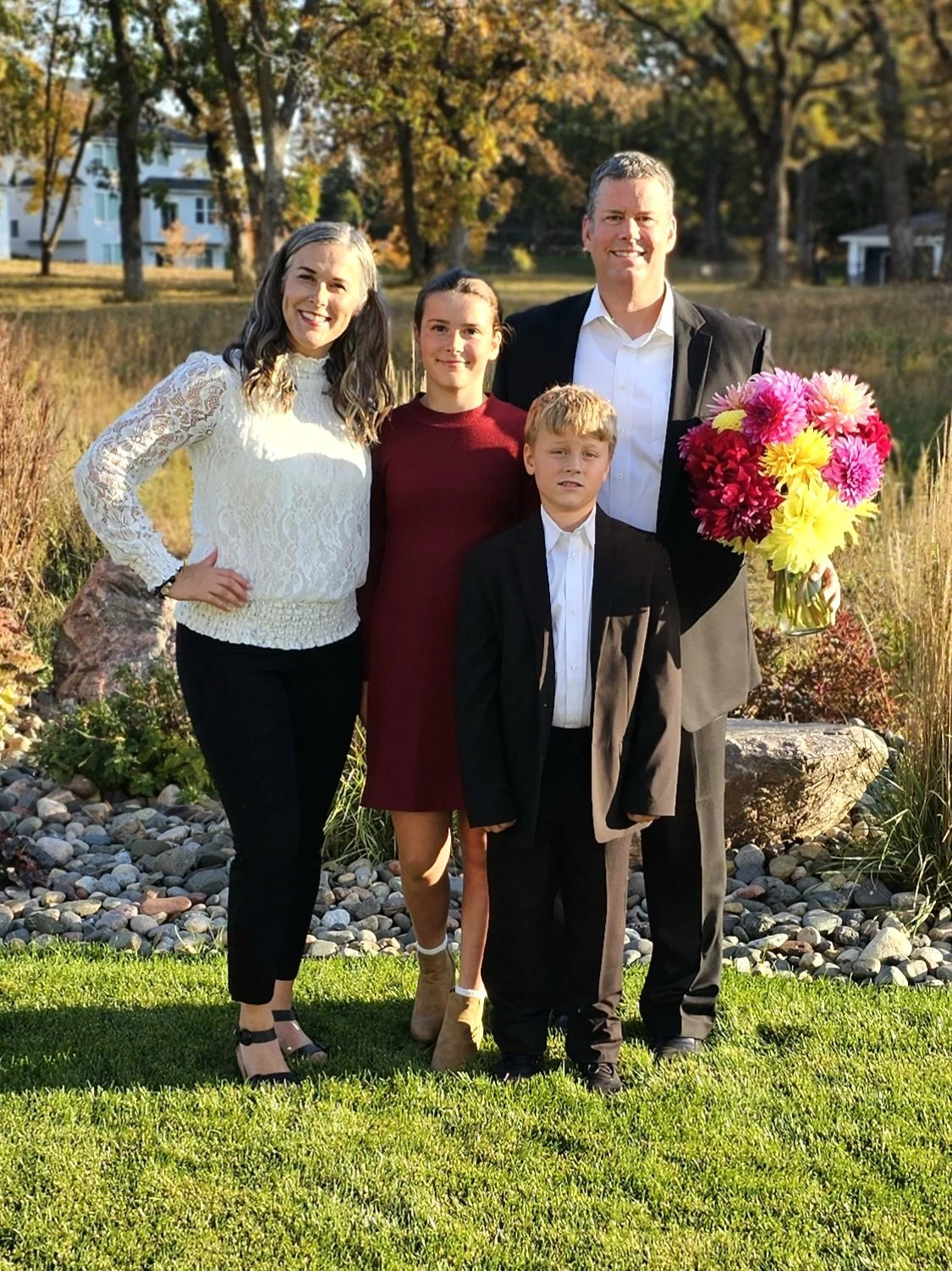
And the people who carried him. His wife Kelly. His children Lyla and Easton. A community that chalked his driveway, sewed a quilt, wrote letters and hung Christmas lights on his house and showed up in hundreds of ways he had no language for until he wrote this book.
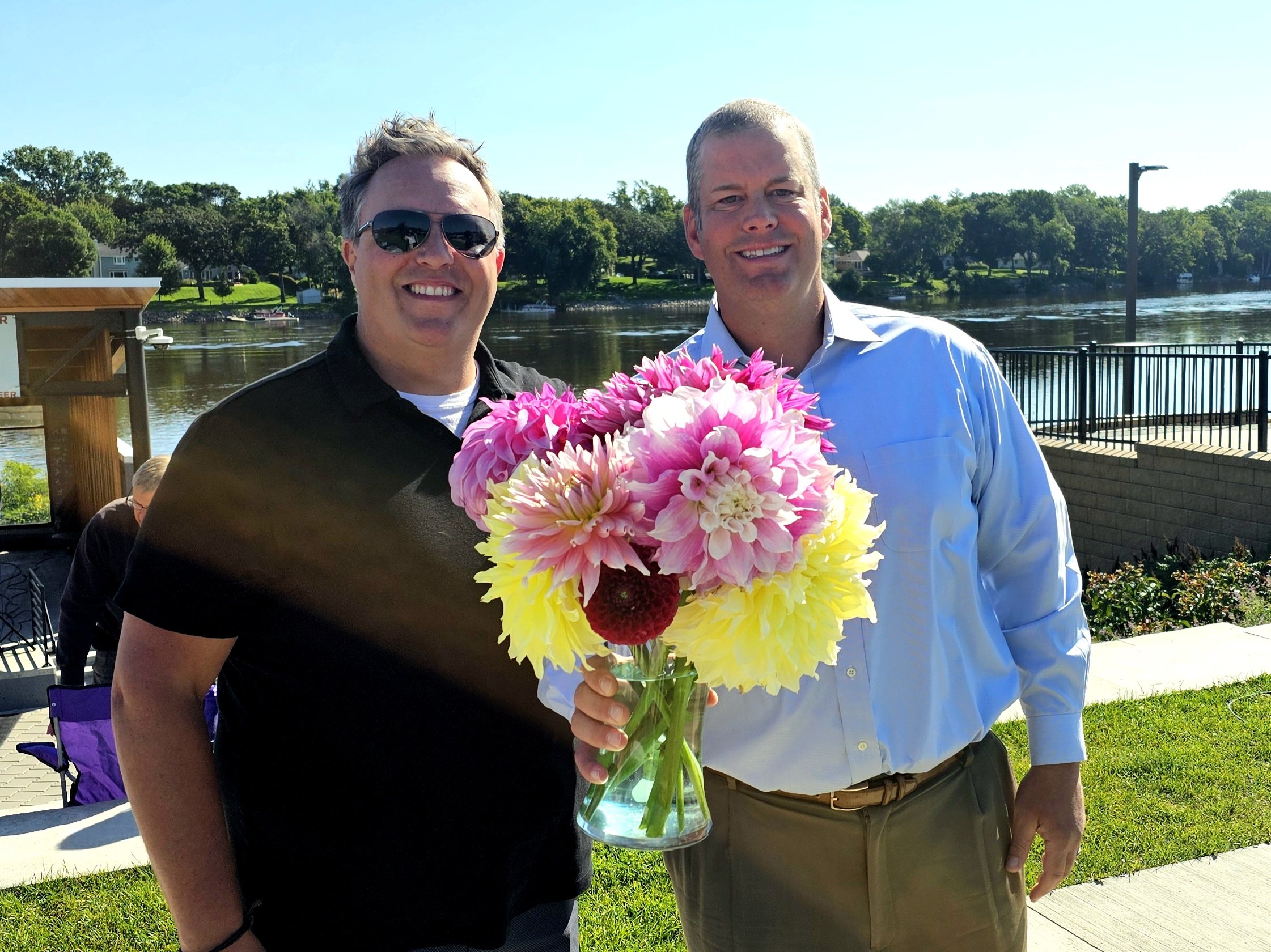
The answer to what survival demands — the answer this memoir builds toward across 45 chapters — arrives not in a hospital room or a remission report, but in a restaurant doorway, in three words spoken plainly by a man receiving a bouquet of dahlias:
You are loved.
That truth, the book argues, does not belong only to people in crisis. Every one of us is carrying something. Every one of us is learning how to keep going when the light shifts. And every one of us needs to hear — not implied, not assumed, but spoken — that we matter to somebody.
For Literary Agents & Publishers
Represent Hope: When the Light Shifts is a completed memoir currently being submitted for literary representation and publication consideration. For manuscript inquiries, proposal materials, or additional information, please contact Ryan directly.